
 Julia
Julia
Feeling breathless, tense, and stuck in a loop of “what-ifs” can make even ordinary tasks feel impossible. If anxiety has been stealing your sleep and peace of mind, you might wonder whether logging on to a video call instead of driving across town could really make a difference. This article walks you through why anxiety flares, how virtual therapy sessions can help, and what the science says—so you can decide if online mental health care is worth a try.

Why Anxiety Triggers Happen
Anxiety (https://en.wikipedia.org/wiki/Anxiety) is your brain’s built-in alarm system, designed to keep you safe. Yet when that alarm misfires, you feel danger even when none exists. Genetics, past trauma, and daily stress all prime the “fight-or-flight” response. You may notice physical cues—racing heart, shaky hands, tight chest—before you can name the fear. Over time, your mind links these body sensations to harmless situations. That’s why grocery aisles or Zoom meetings can suddenly feel threatening. Recognizing this false alarm is the first step toward retraining it through virtual therapy, remote counseling, or self-guided tools.
How Video Sessions Reduce Stress
Connecting with a digital therapist from home removes several hidden stressors. You no longer battle traffic, parking, or crowded waiting rooms that can spike cortisol before you even sit down. A familiar sofa and a cup of tea signal safety, making it easier to speak honestly about worries. Therapists use a HIPAA-compliant video platform, so your information stays secure while you practice evidence-based techniques like cognitive behavioral therapy. Many providers even bundle services—individual support, telehealth marriage counseling for relationship strain, and group workshops—so you address intersecting issues without juggling multiple offices. Ultimately, fewer logistical hurdles mean more mental energy for healing.
What Coping Skills Work Online?
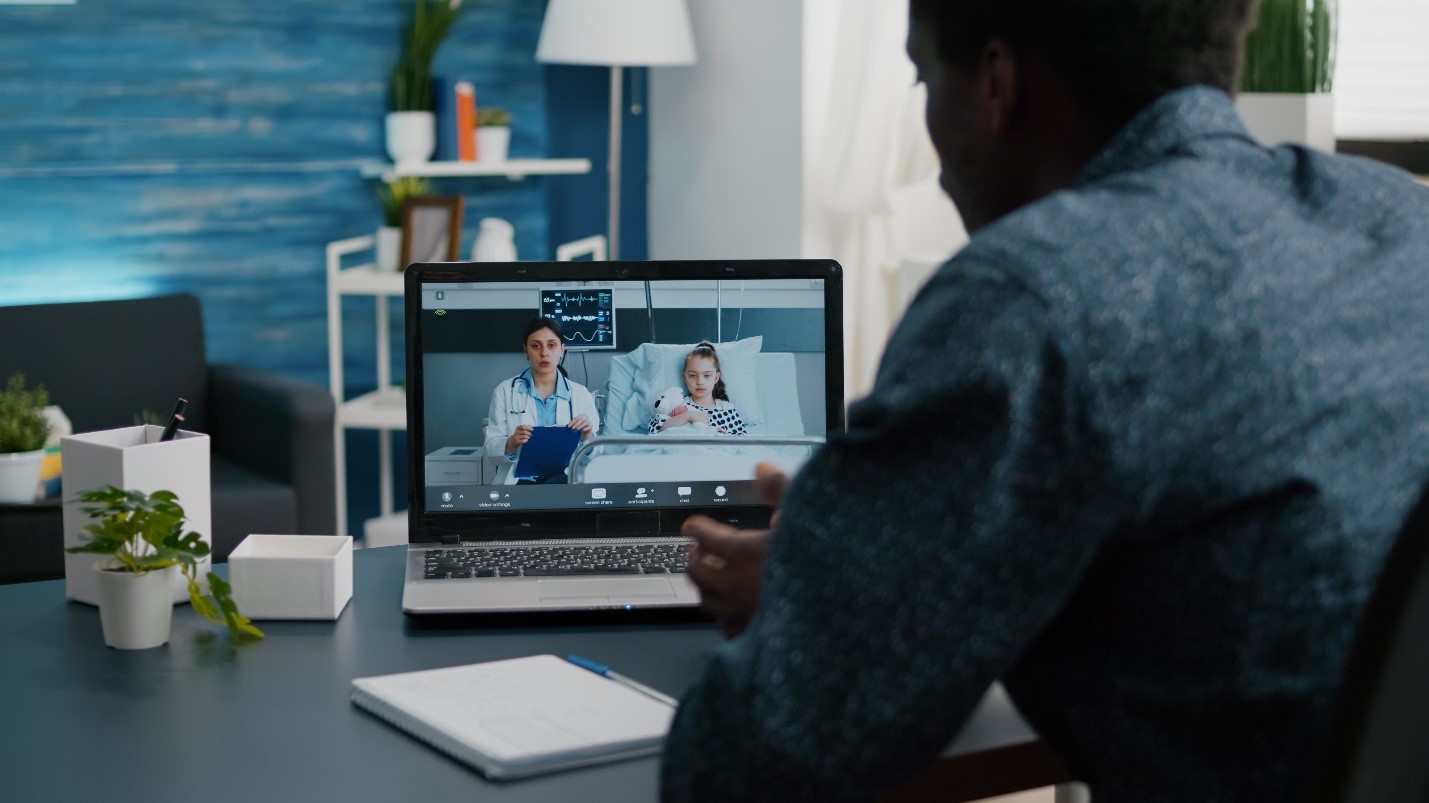
You might wonder whether hands-on skills translate through a laptop screen. The answer is yes, and often with surprising creativity. Before diving in, therapists explain what to expect and set up real-time feedback tools.
Here’s how it looks in practice:
- Grounding exercises such as 5-4-3-2-1 sensory scans help you re-anchor when intrusive thoughts surge.
- Guided breathing and progressive muscle relaxation lower physiological arousal while your clinician tracks posture and breath pace on camera.
- Digital thought records let you challenge unhelpful beliefs between sessions, then share your screen for coach feedback.
- Virtual exposure tasks—like ordering coffee on video chat—gradually desensitize fears in a controlled way.
Because these skills live online, you can bookmark recordings or worksheets and revisit them whenever anxiety sneaks back.
Evidence from Recent Studies
Large-scale research confirms that online mental health care is more than a convenient workaround. A 2024 randomized controlled trial found that videoconference-delivered CBT cut generalized anxiety symptoms by 64 percent, with two-thirds of participants no longer meeting diagnostic criteria at three-month follow-up. Read more on this page.
A 2023 meta-analysis focusing on older adults reported significant reductions in both anxiety and depression across telemedicine programs, demonstrating that gains aren’t limited to younger, tech-savvy users.
These findings echo dozens of earlier reviews: virtual therapy achieves outcomes comparable to in-person care while boosting access for people in rural areas or with mobility constraints.
Creating a Calm Virtual Space
You deserve a setting that tells your nervous system, “You’re safe.” Start by choosing a room where you can close the door and silence notifications. Place your device at eye level to avoid neck strain and keep a glass of water handy.
After that mental reset, some small upgrades make sessions even smoother:
- Adjust lighting so your face is clear—natural light in front, not behind.
- Wear comfortable layers and have a blanket nearby; feeling physically at ease reduces muscle tension.
- Keep grounding objects in reach—stress ball, scented candle, or calming playlist.
- Test your internet connection and headphones five minutes early to prevent tech jitters.
If you’re searching for professional support in the Houston area, consider centers like Shield-Bearer Counseling, which offers both virtual therapy and in-office services:
Logging off a session should leave you feeling lighter, not alone. Because virtual therapy is flexible, you can schedule brief check-ins during tough weeks or lengthen intervals when coping skills feel solid. Remember, healing isn’t linear; some days you’ll glide, other days you’ll stumble. Yet every time you click “Join meeting,” you practice trusting yourself to face anxiety rather than flee from it. That simple act of showing up—wherever you are—can be the beginning of lasting calm.
Over time, each small victory in a virtual session reinforces the belief that anxiety is manageable. You’ll start to notice how breathing techniques steady you during work calls, how grounding exercises quiet worries before bedtime, and how self-compassion gradually replaces self-criticism. In this way, telehealth becomes less of a service you use and more of a sturdy bridge back to the life you want.


 Suzana Mikolova